


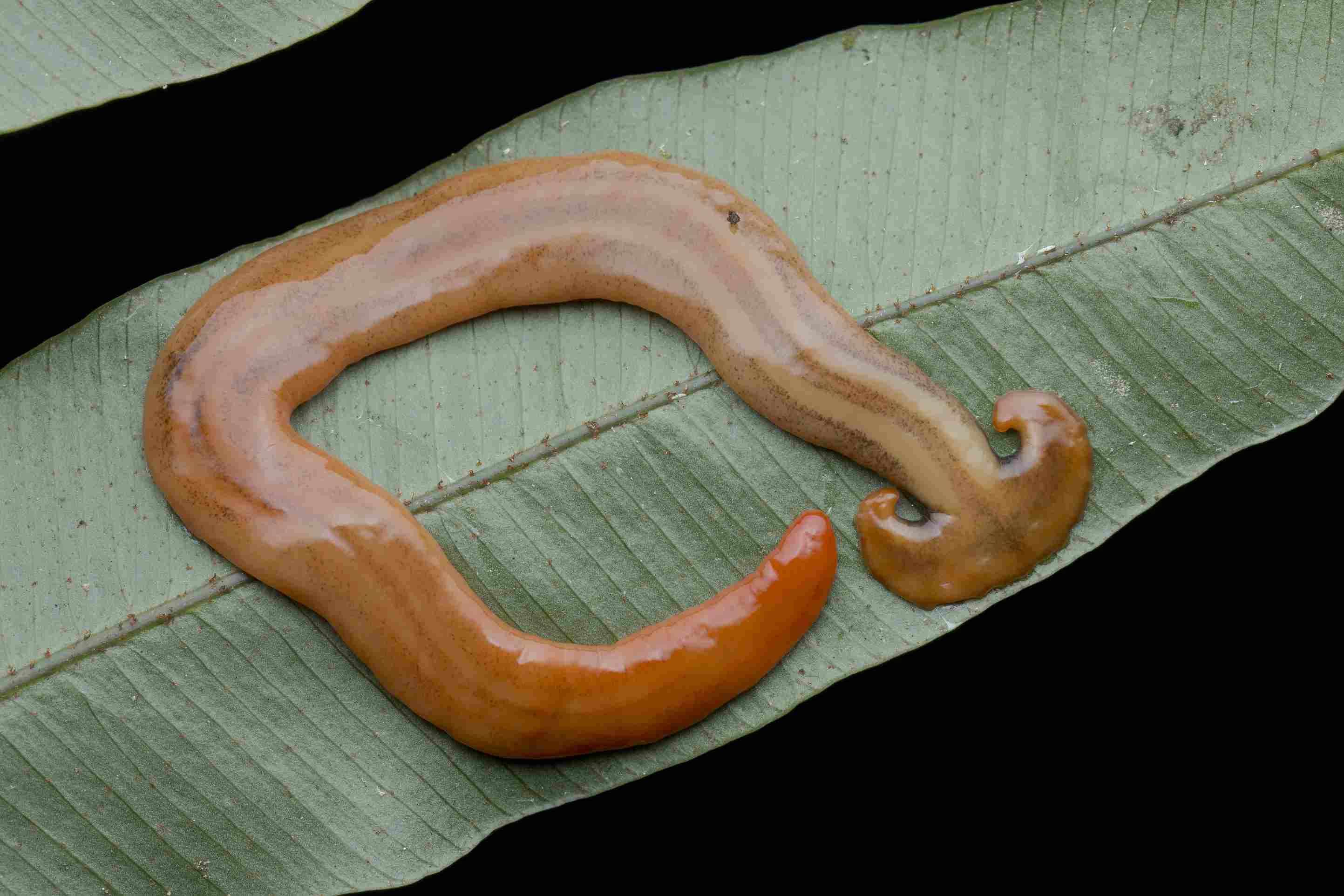
Recent sightings of massive hammerhead worms, some reaching up to three feet in length, have sparked concern among residents in Newmarket, Hamilton, and the Kitchener area. These unusual creatures, known for their distinctive flat, hammer-shaped heads, have prompted questions about their origins and potential impact on local ecosystems.
Hammerhead worms, scientifically classified as Bipalium spp., are not native to Ontario but have been occasionally sighted in various parts of the world. However, the recent surge in sightings across multiple cities in Ontario has raised alarms among residents and experts alike.
Local residents in Newmarket, Hamilton, and the Kitchener area have reported encountering these sizable worms in gardens, parks, and other outdoor spaces. With their elongated bodies and striking hammer-shaped heads, these creatures are difficult to miss.
Experts are particularly concerned about the potential ecological impact of these worms. Hammerhead worms are known to prey on earthworms and other soil-dwelling organisms, potentially disrupting the balance of local ecosystems. Additionally, their large size and voracious appetite could pose a threat to native fauna and soil health.
While the exact origins of these hammerhead worms in Ontario remain unclear, experts speculate that they may have been inadvertently introduced to the region through imported plants or soil. Increased global travel and trade may also play a role in their spread to new areas.
Efforts are underway to better understand the distribution and behavior of these giant worms in Ontario. Researchers are urging residents to report any sightings and exercise caution when handling these creatures, as some species of hammerhead worms can secrete toxic substances.
In the meantime, residents are advised to remain vigilant and take steps to prevent the further spread of hammerhead worms by avoiding the transportation of soil or plants from affected areas.
The appearance of giant hammerhead worms in Newmarket, Hamilton, and the Kitchener area has raised concerns about their potential impact on local ecosystems. As experts continue to investigate these sightings, residents are encouraged to report any further encounters and take precautions to prevent the spread of these unusual creatures.
Read more on the story: https://www.thefrontlinetv.com/post/wayne-gretzky-to-run-for-pm-of-canada-after-trump-post